


Improving Safety at High-Risk Sites Through Signage and Delineation
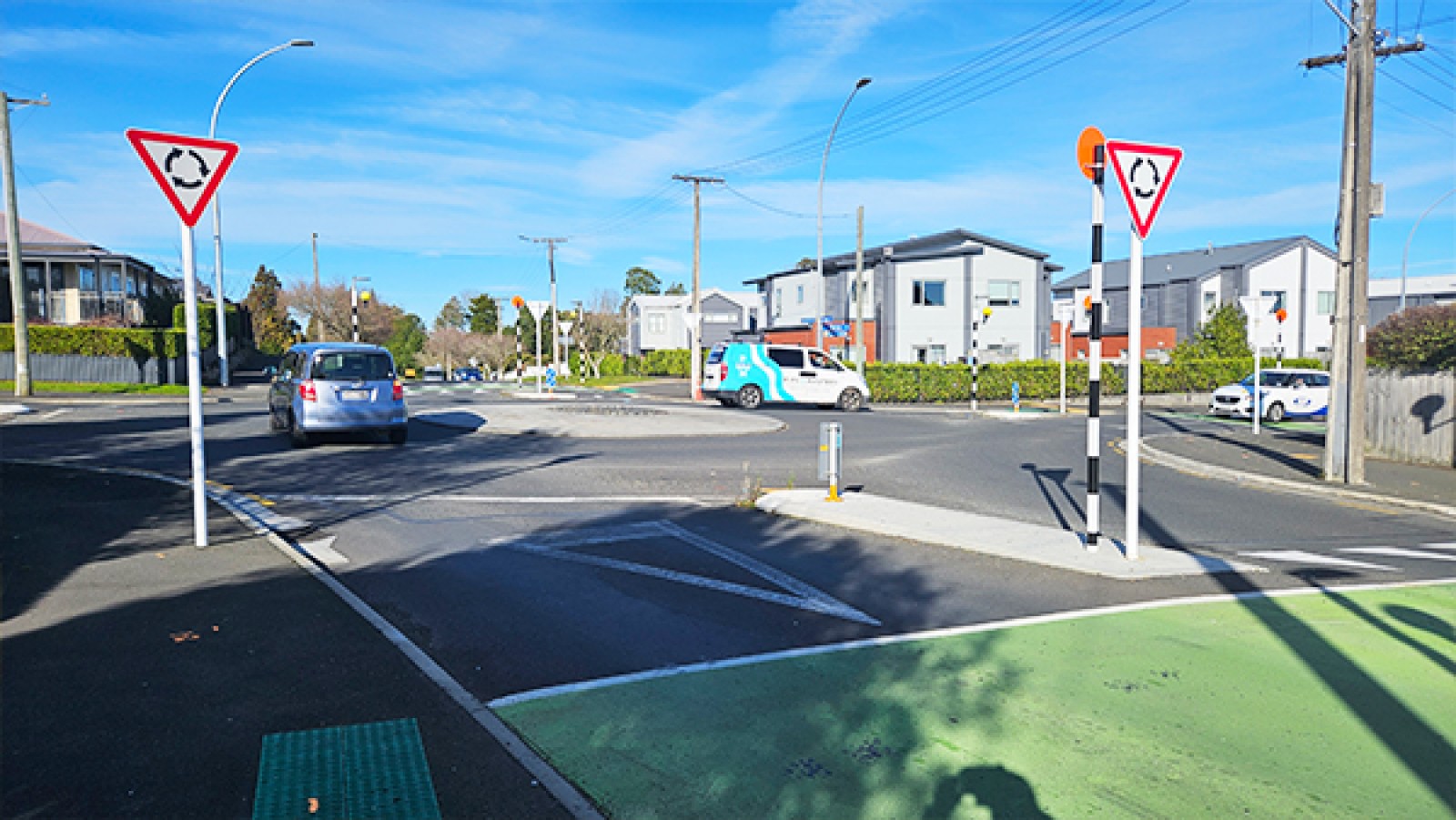
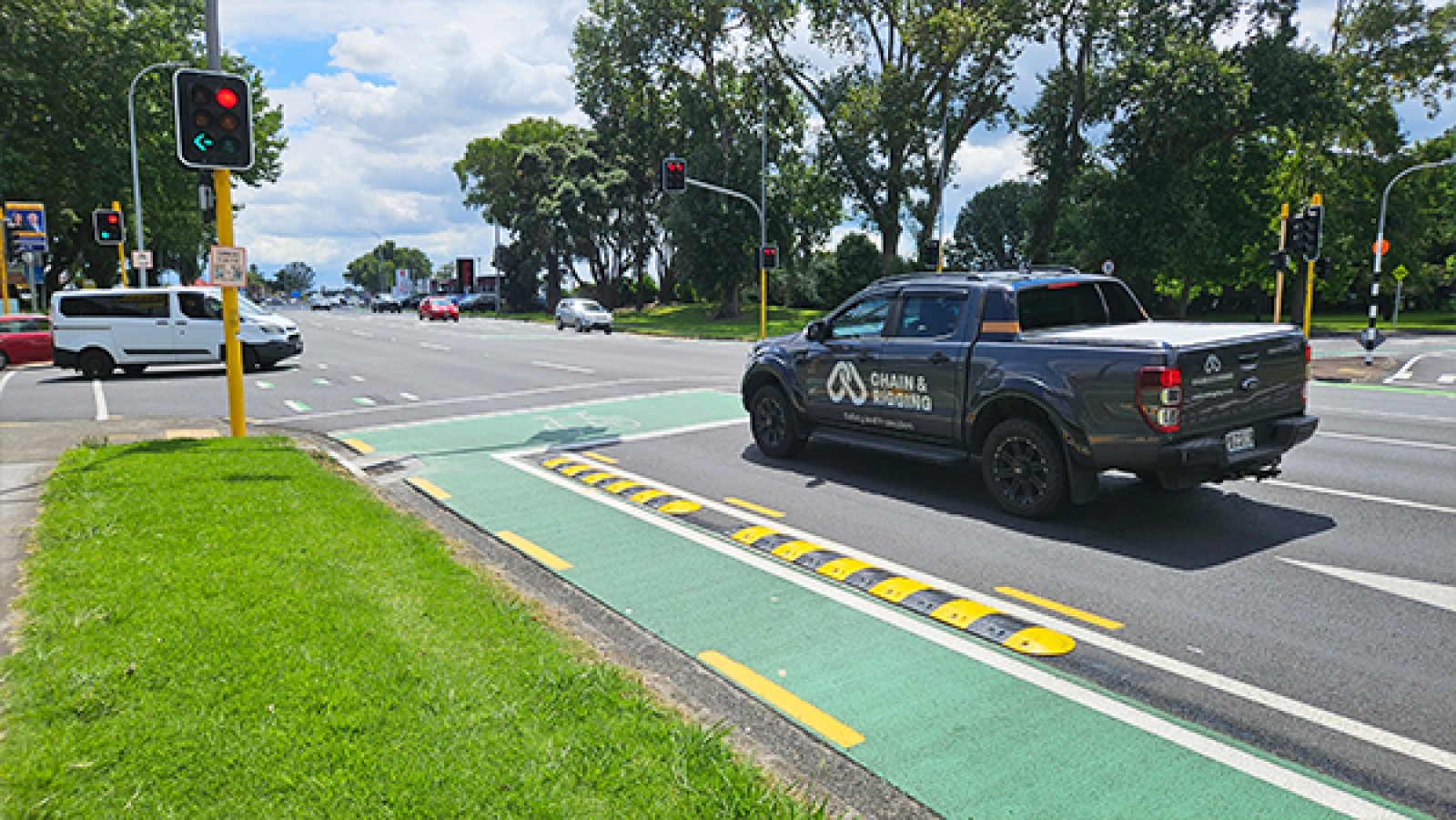
High-risk intersections across New Zealand continue to be a focus for safety upgrades, with councils and RCAs applying a combination of signage, delineation and physical treatments to reduce speed on approach and improve intersection safety outcomes.
Speed Limit Signage Sign Specifications & Code Finder Delineation & Curbing High Risk Intersection Upgrades
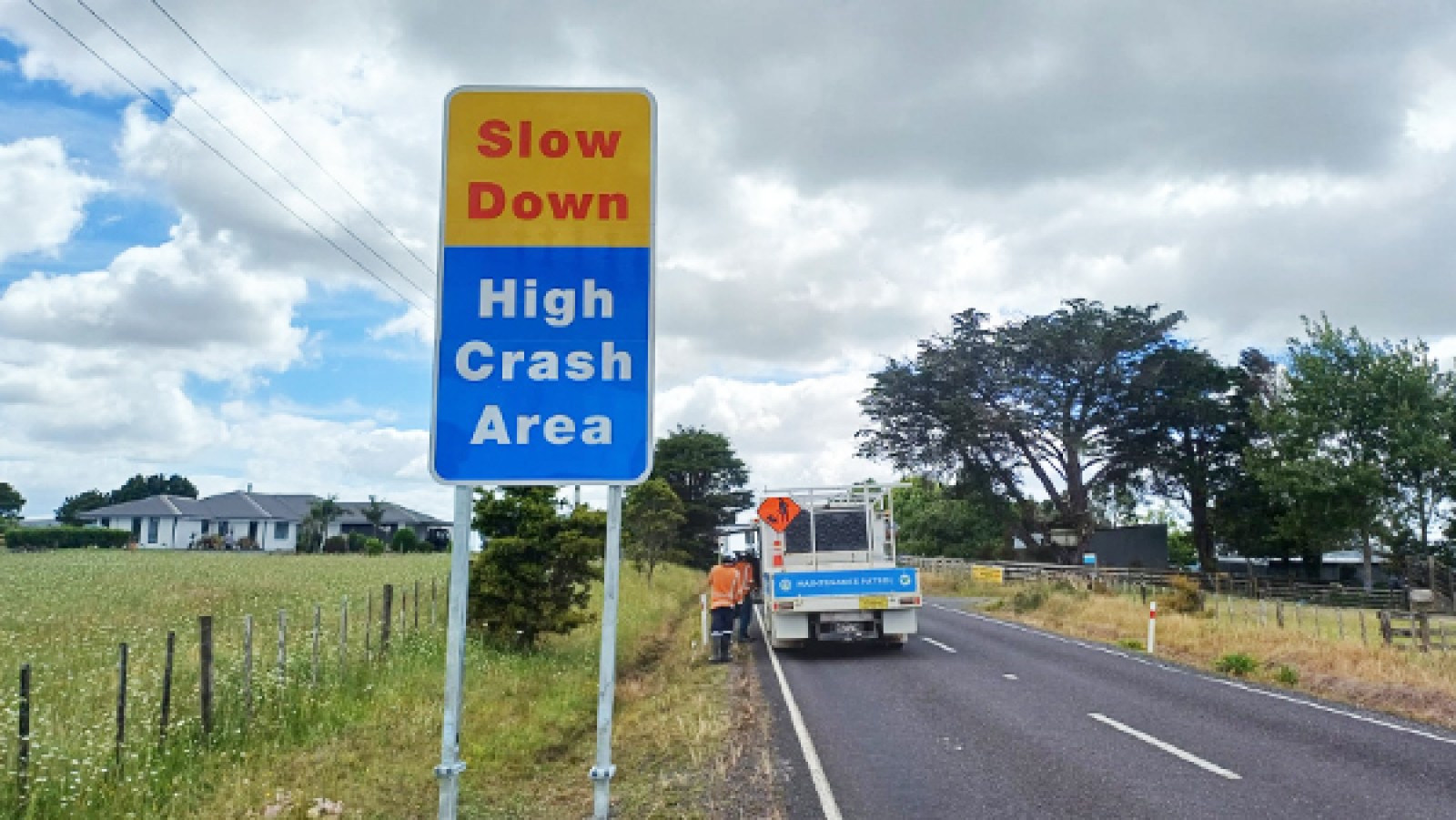
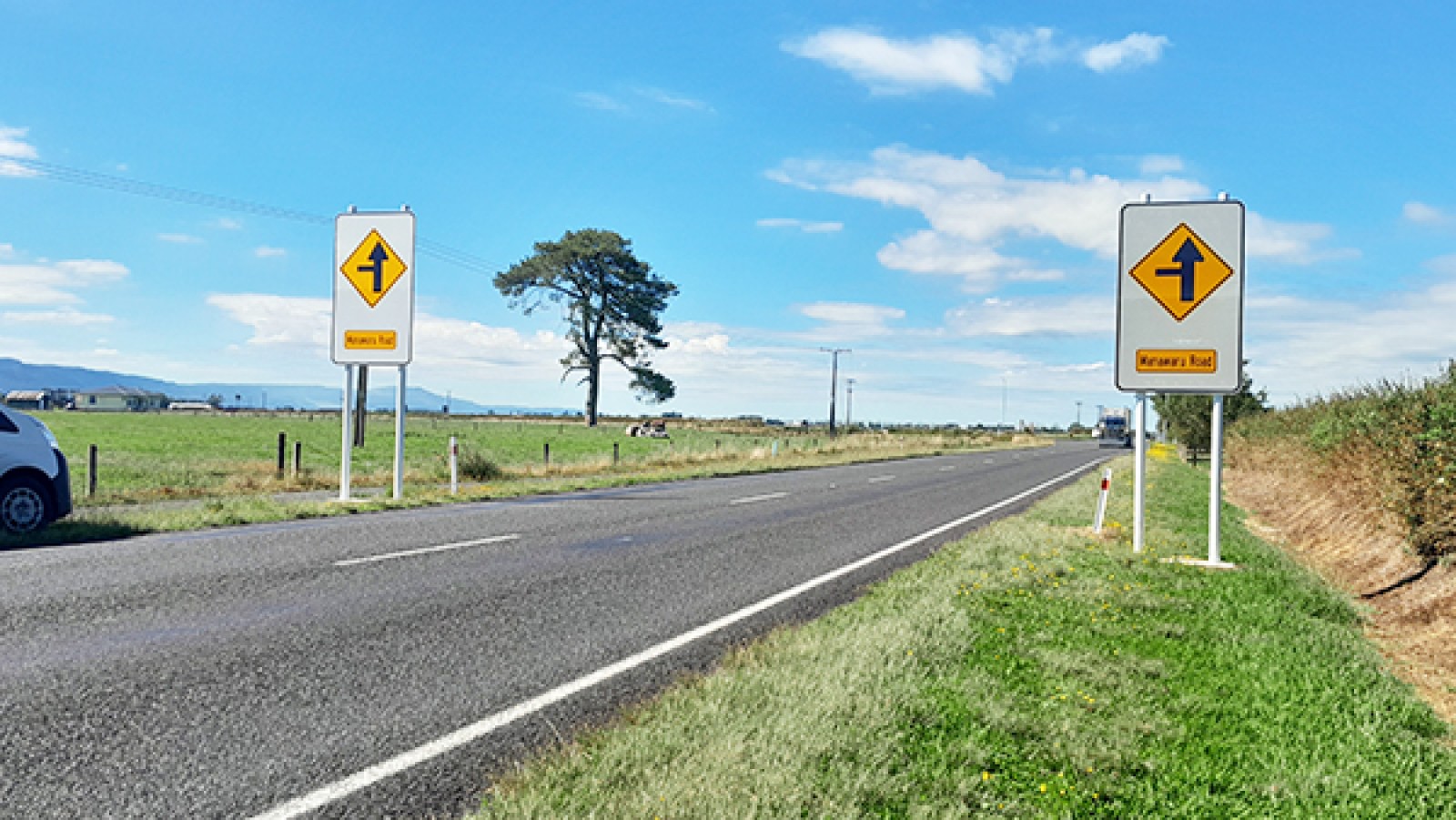
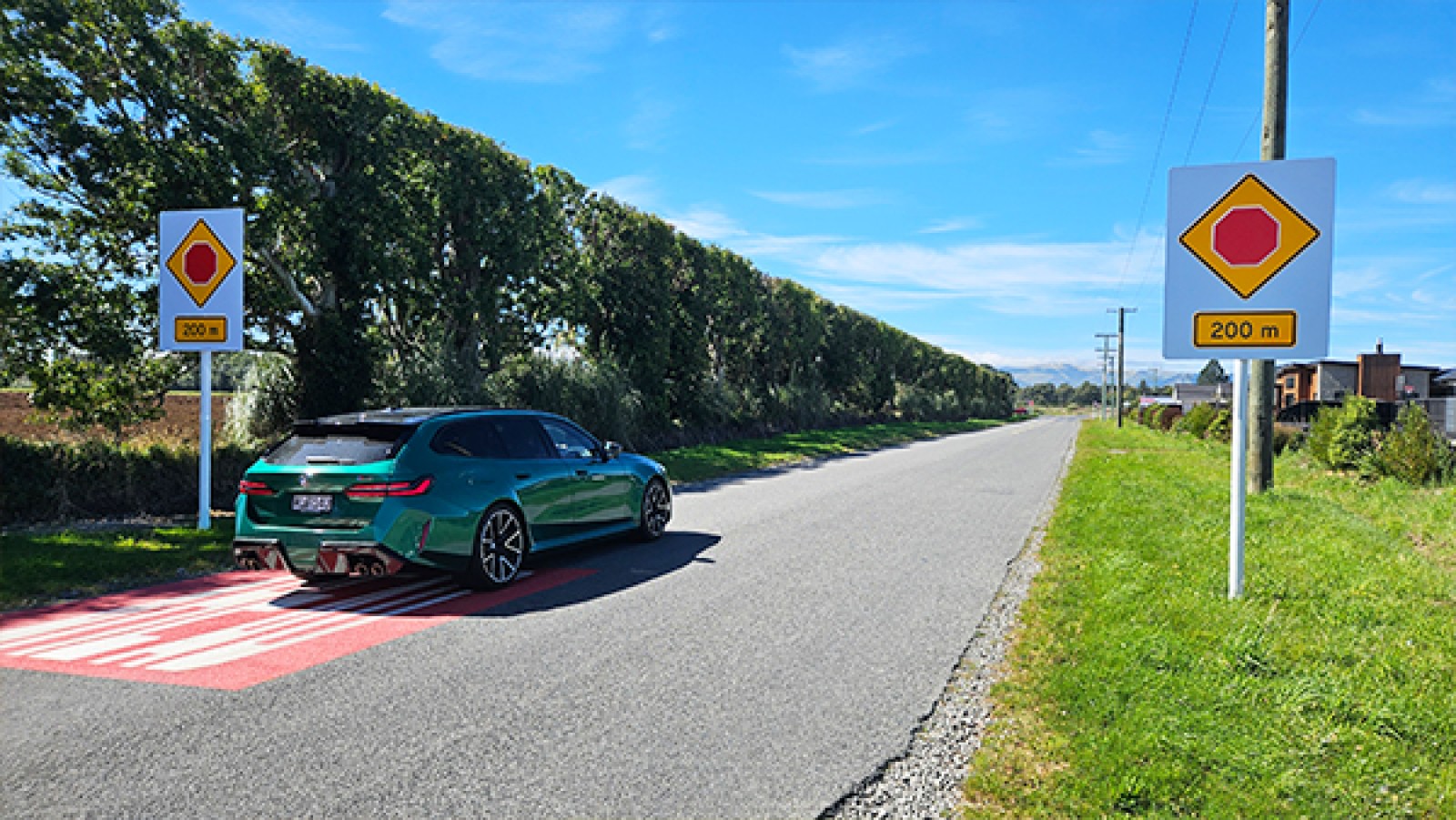
NZTA and various RCAs continue to deliver intersection safety upgrades at locations with a history of crashes, where road layout and operating speeds are contributing factors. Vehicles approaching at higher speeds remain a key factor in crash severity. In NZTA's High-Risk Rural Road Guide it states for every 10km/h reduction in operating speed limits, a 15-40% reduction in head-on, run-off-road and intersection crashes*. Advance warning signage such as W10-1 Stop Ahead and W10-2 Give Way Ahead signs are commonly used as a lower-cost measure to reinforce reduced approach speeds. These signs are often installed in a gated configuration (one either side of the road) and can be made on a white background or with fluorescent yellow backing board, where additional conspicuity is required. Electronic warning signs can also be used in combination with static signage, including RIAWS (Rural Intersection Activated Warning Signs).
To reduce speeds on approach to communities and towns, retroreflective Speed Threshold Signs are proven to reduce crashes by 11-27%**. Threshold signs are typically installed in a gated configuration and unlike standard speed signs, display both the reduced speed limit and locality name, that helps create a more defined gateway into smaller communities. Threshold Signs are available in RS51.1 urban and RS52.1 rural sizes to suit the location & road level.
At other high-risk locations, highly visible signage such as Slow Down High Crash Area is are typically applied as part of a combined approach by local authorities, to reinforce reduced speeds and increase driver awareness. Curve safety upgrades, often include both curve signs and chevrons that can result in approx 20-57% reduction in crashes***. Likewise, Edge Marker Post such as our Slim-Pro EMPs, are used to show changes in road alignment ahead and can result in a 15-67% reduction in crashes at night****.
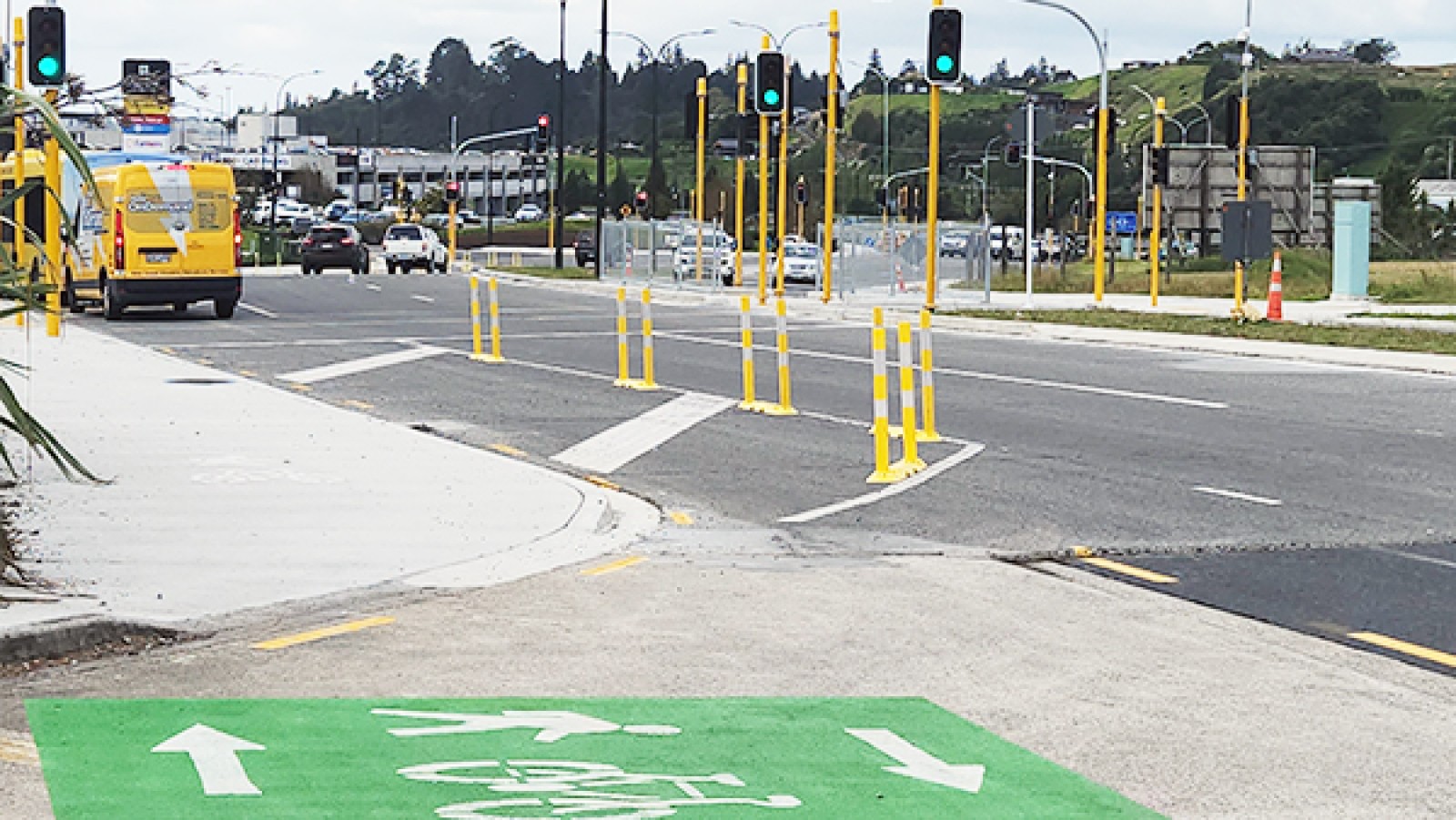
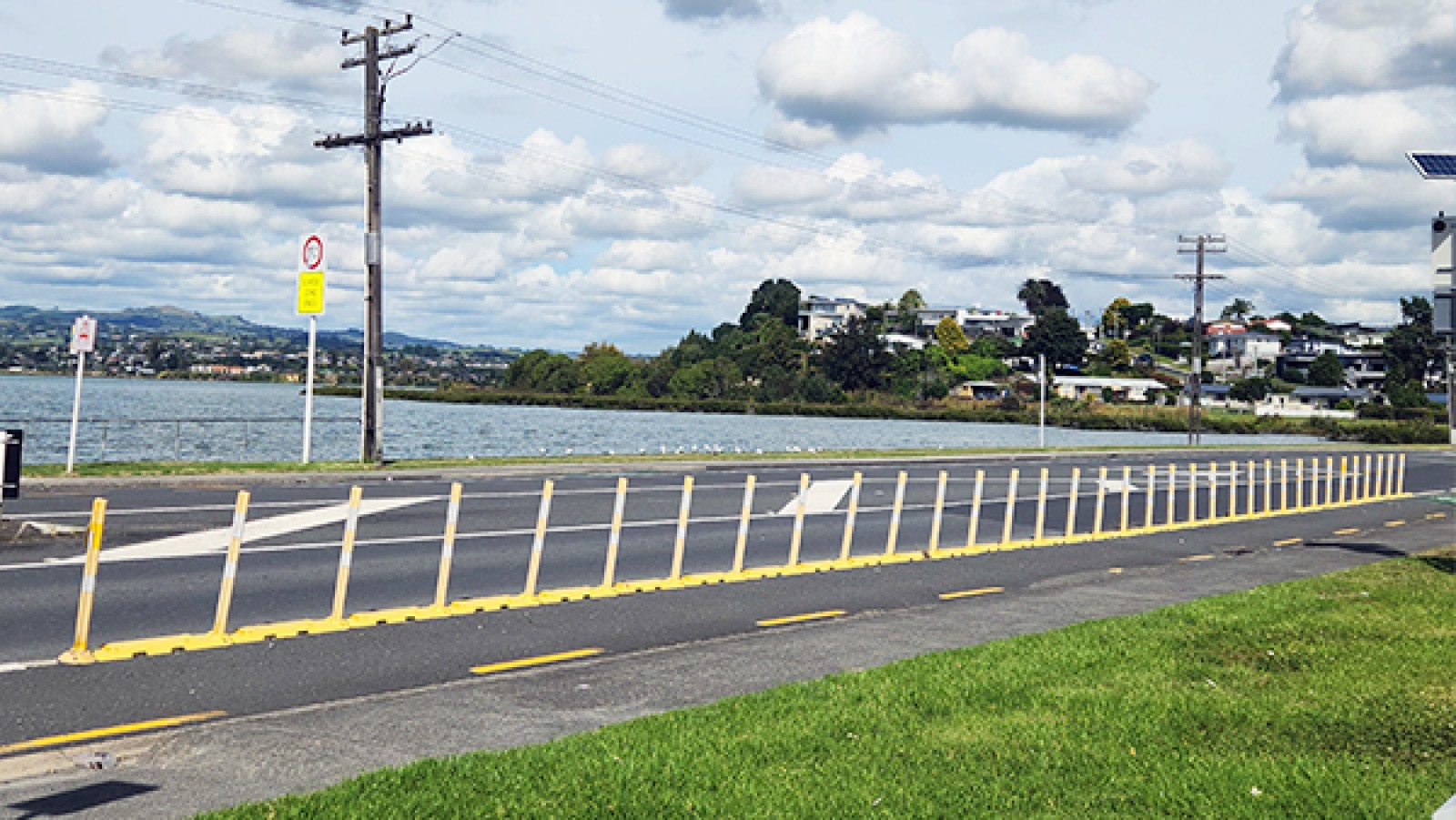
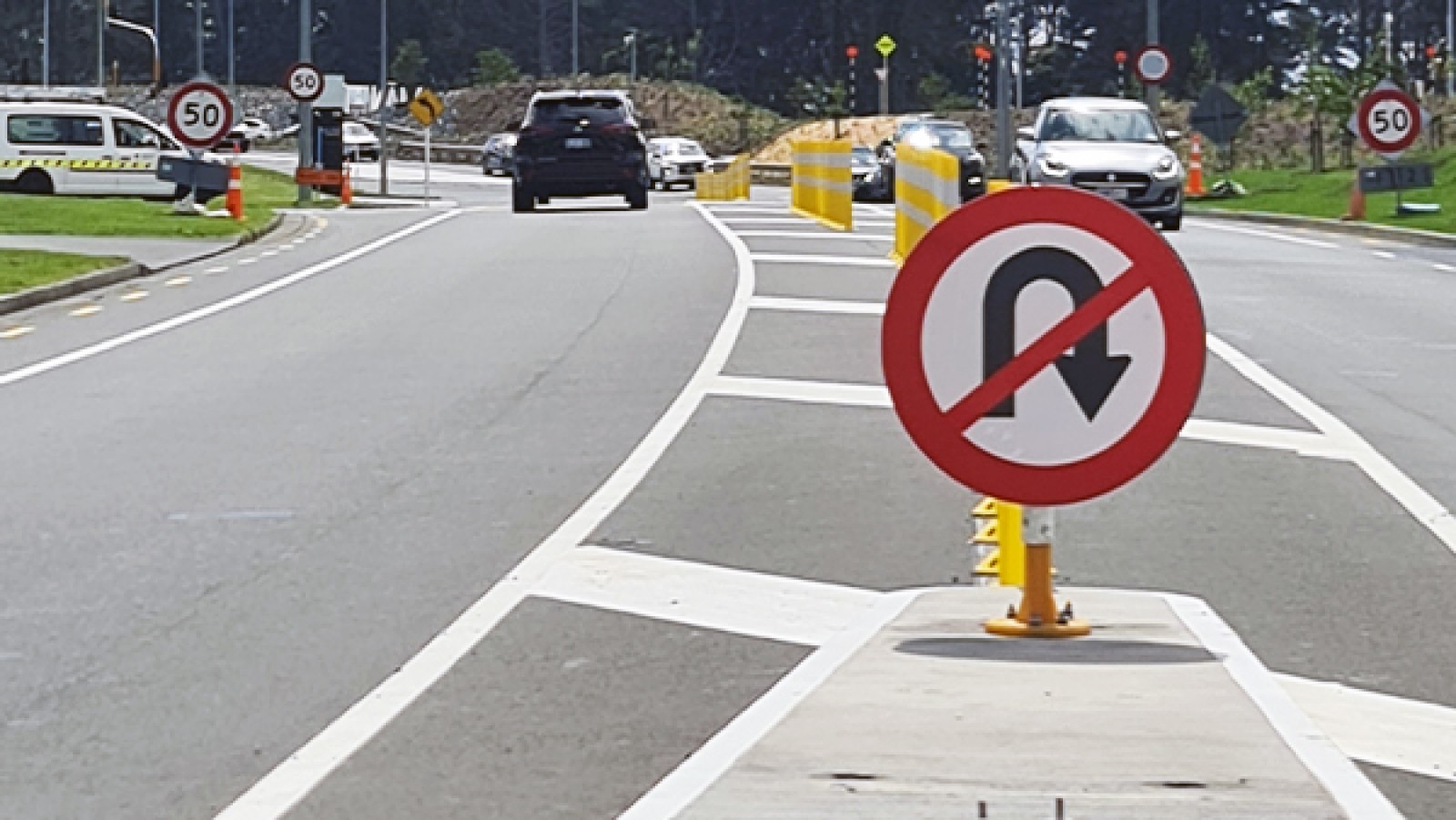
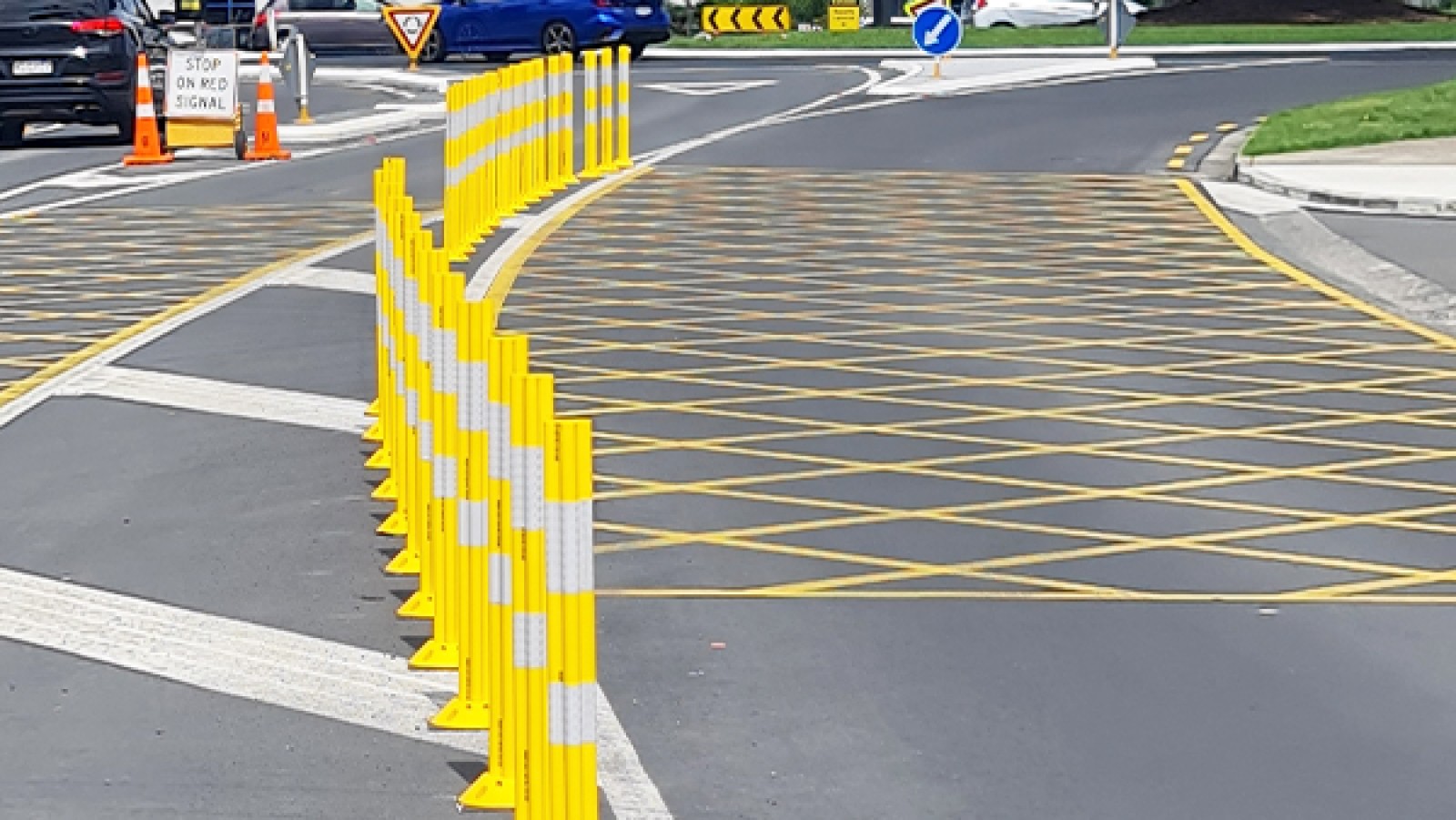
Delineation and channelisation treatments, including FG-300 Delineators and curb sections, are commonly used to define vehicle paths and limit higher-risk manoeuvres such as U-turns. Individual delineators and modular separator curbs can also be used to provide additional physical separation at the intersection approach, alongside painted threshold treatments, traffic islands and curb build-outs where required.
High-risk rural roads guide September 2011: * Pg 118 E6.3: Lower the posted and operating speed. Pg 117 ** E6.2: Speed thresholds *** Pg 104 E1.3: Curve warning Signs **** Pg 103 E1.2: Edge marker posts
Get in Touch with Us:
Images in this article are from safety upgrades in Far North, Auckland, Matamata-Piako, Hamilton, Tauranga and Selwyn. For project enquiries about our signs and solutions used by councils and contractors across New Zealand, please contact our team at sales@rtl.co.nz
Related Links:
- https://rtl.co.nz/high-risk-rural-intersection-upgrades
- https://rtl.co.nz/speed-limit-and-school-signs
- https://rtl.co.nz/resource/rtl-brochure-fg-300-delineators-and-curb-system
- https://rtl.co.nz/specifications
- https://www.nzta.govt.nz/assets/resources/high-risk-intersections-guide/docs/high-risk-intersections-guide.pdf
- https://www.nzta.govt.nz/assets/resources/traffic-control-devices-manual/docs/part-4-intersections.pdf
- https://www.nzta.govt.nz/assets/Walking-Cycling-and-Public-Transport/docs/pedestrian-network-guidance/docs/3.5-intersections-feb-2025.pdf