


New Recycling Partnership Helps RTL Reduce Waste to Landfill
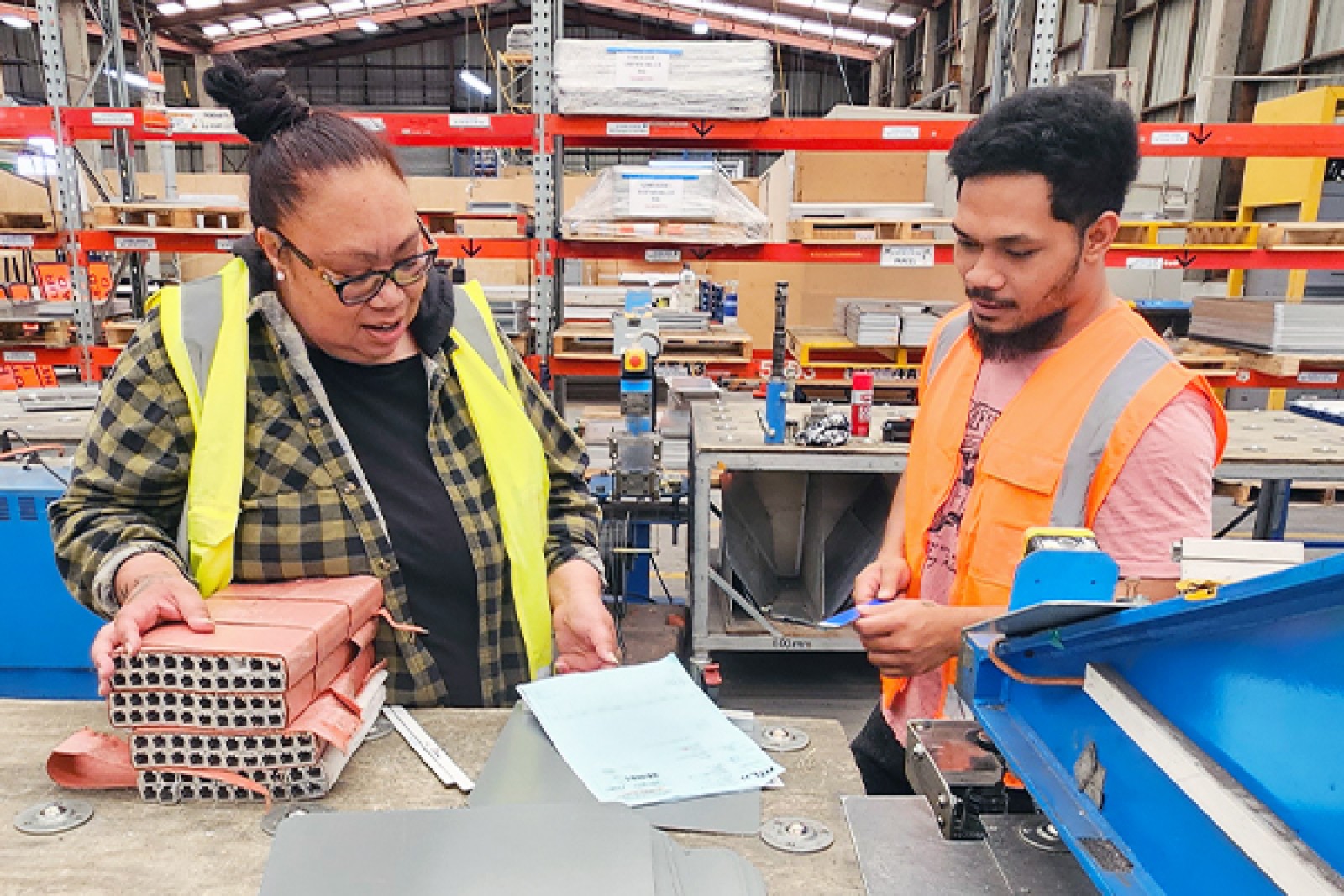
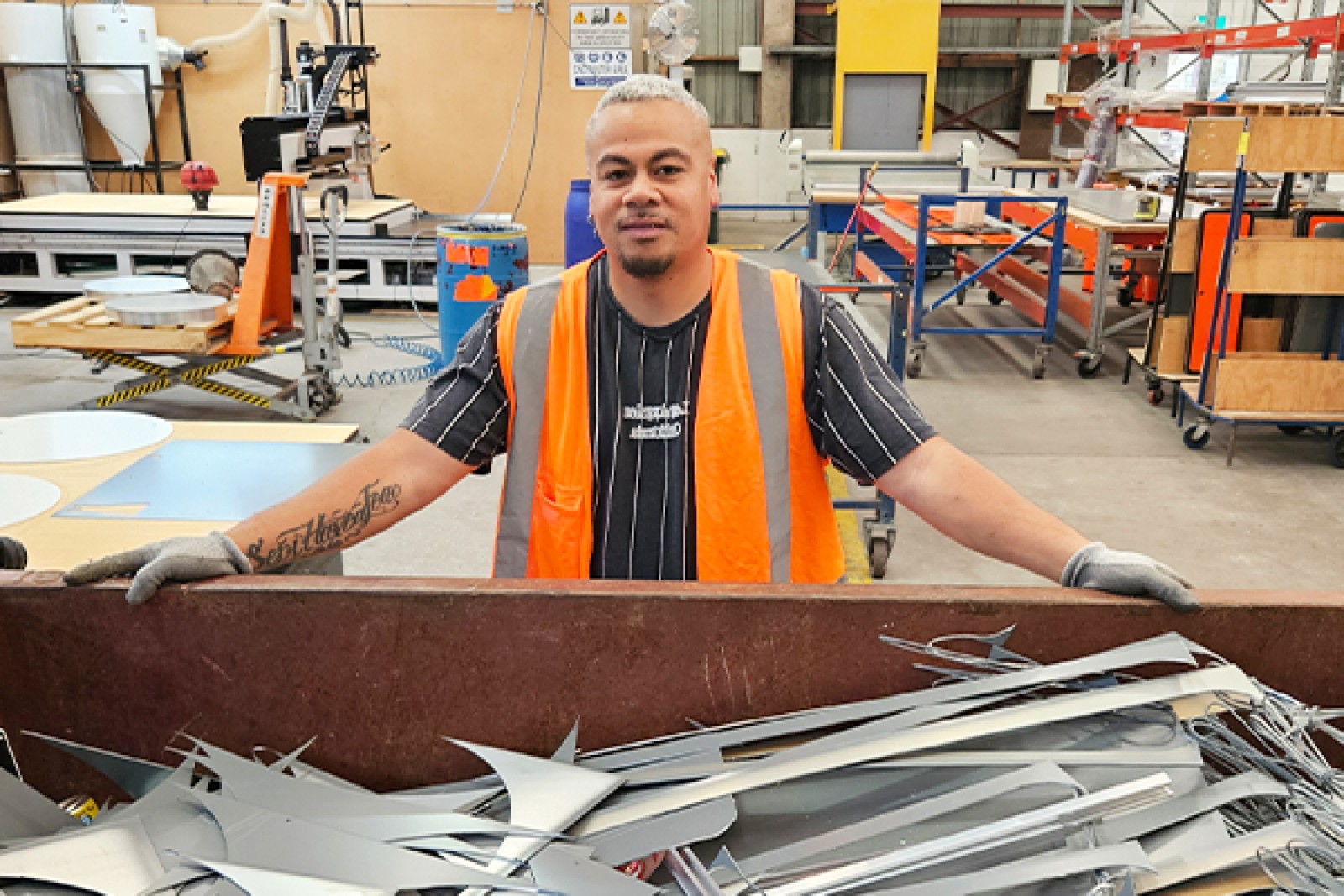
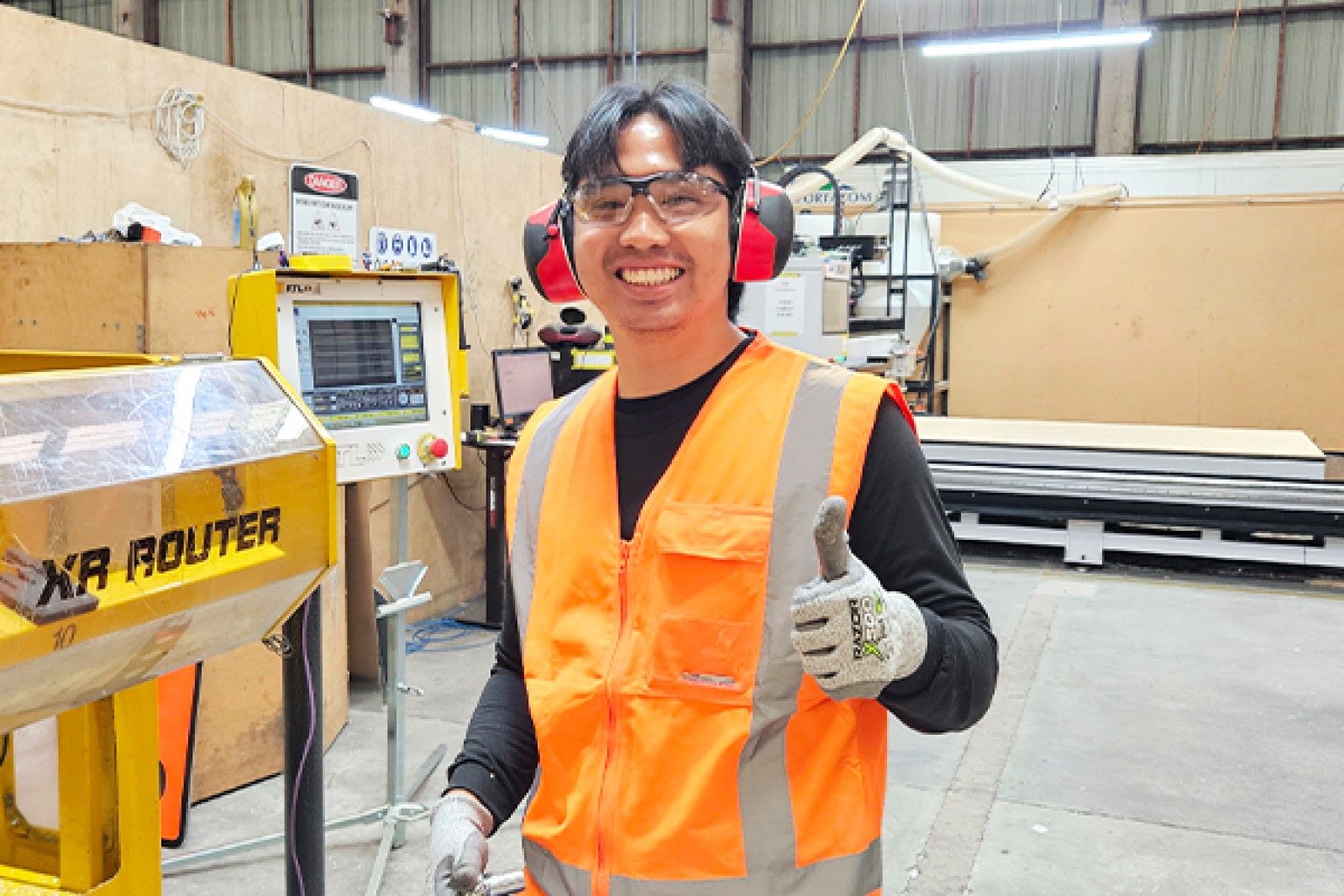
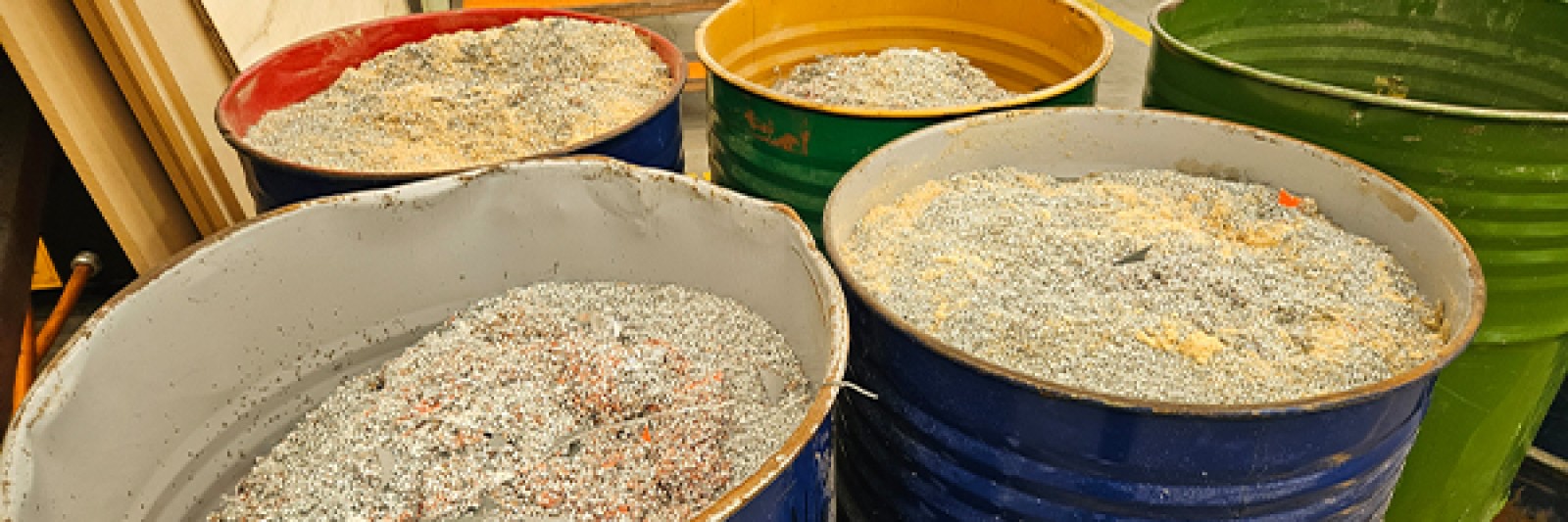
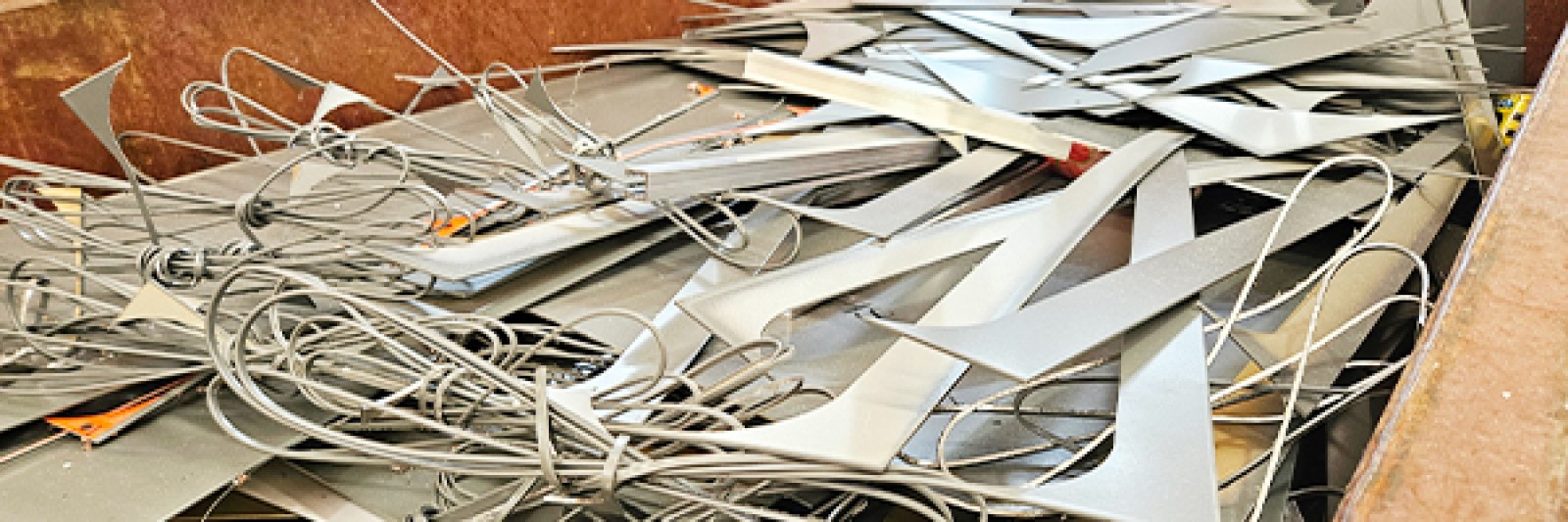
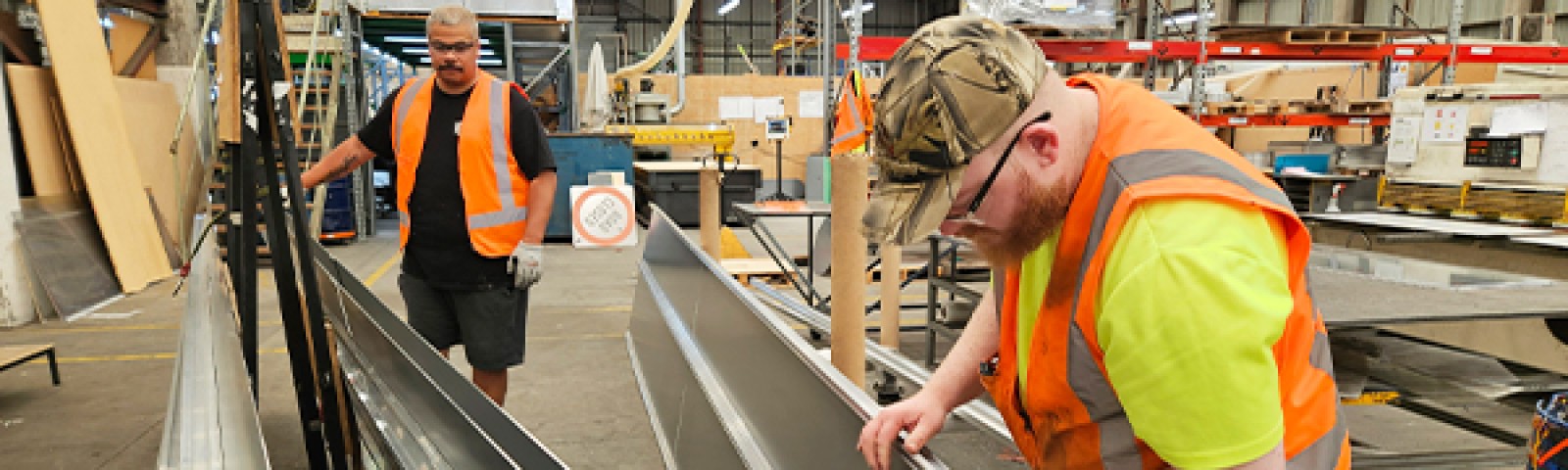
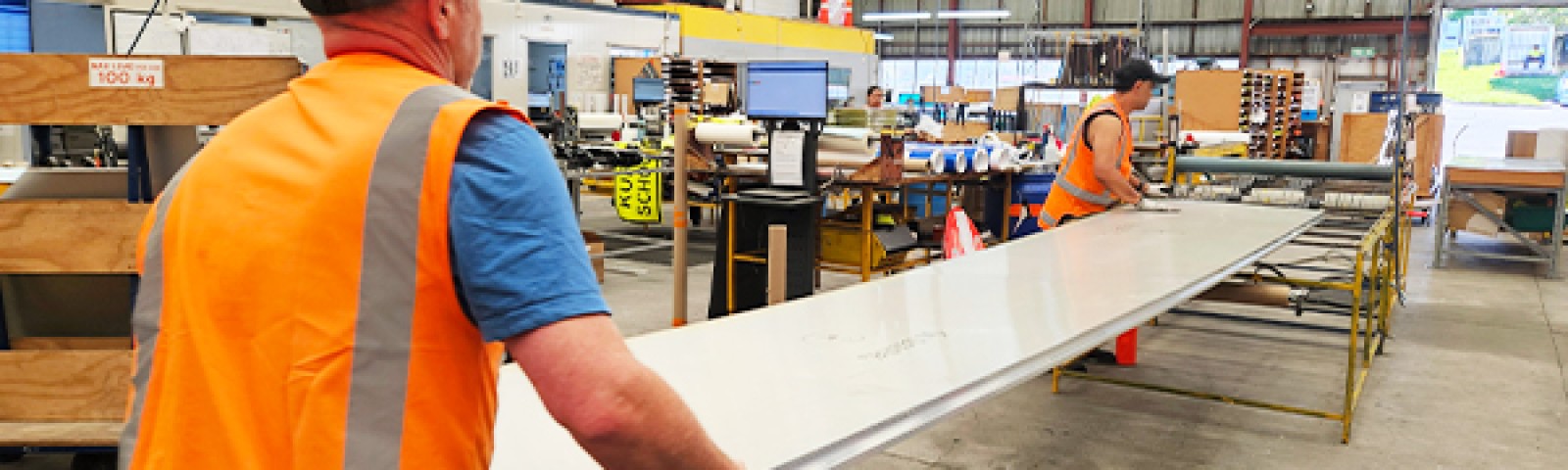
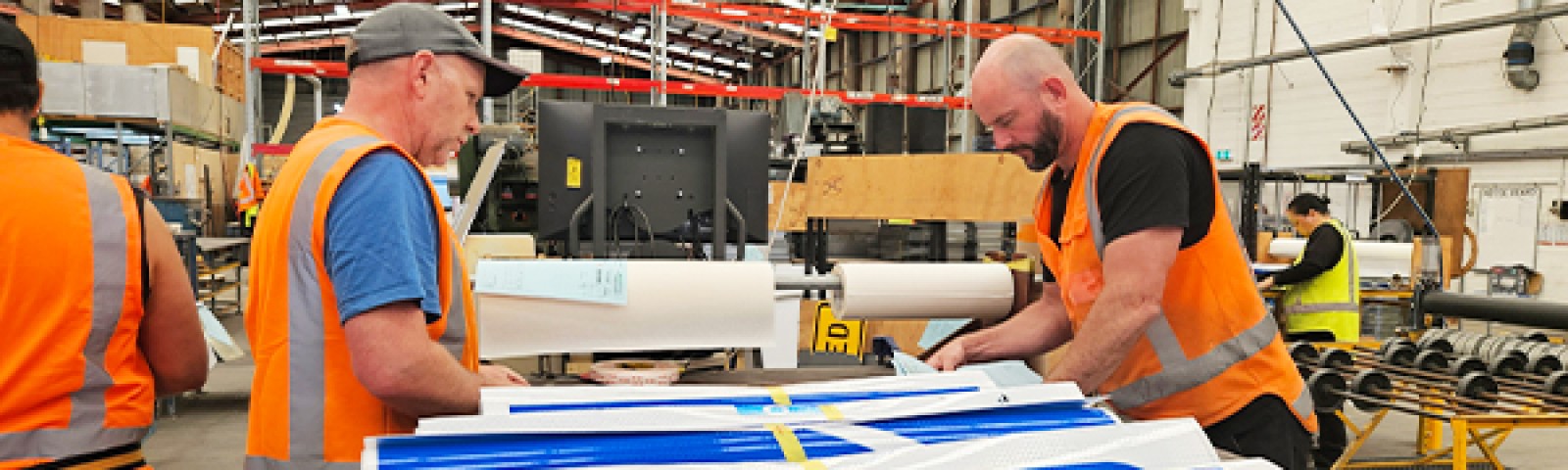
Our Auckland factory manufactures a significant volume of road and traffic signs for customers throughout New Zealand and the Pacific, from standard regulatory and warning signs through to large custom sign panels. Producing signs in different shapes and sizes requires aluminium sheets to be cut and routed, generating aluminium offcuts and swarf as part of the manufacturing process.
Since June 2026, Hayes Metals has collected our aluminium offcuts, contaminated aluminium swarf, strapping and steel. While clean aluminium was already being recycled, contaminated swarf from our manufacturing process previously had to be sent to landfill. Hayes is also accepting aluminium offcuts with reflective sheeting and sign channel attached, making the recycling process far simpler for our factory operations. The scrap is collected regularly, weighed and recycled, with RTL receiving payment based on its scrap value rather than paying to dispose of material that previously had to go to landfill.
Not only does the partnership help RTL reduce its waste management costs, but it also provides Hayes Metals with valuable recyclable material that reduces the need for the equivalent material to be produced from virgin resources. This creates a wider greenhouse gas emissions benefit, which Hayes measures and reports to RTL each month. In June 2026, our first month of reporting, Hayes Metals reported an estimated avoided emissions benefit of 9,912 kg CO2e from the scrap metal recycled from RTL*.
“We were looking for a better way to manage the volume of scrap aluminium, offcuts, swarf and other metal waste generated through our manufacturing process. Hayes gave us a straightforward local solution that keeps more of those materials out of landfill and puts them back into productive use.” Clinton Carter-Johnson – Factory Manager
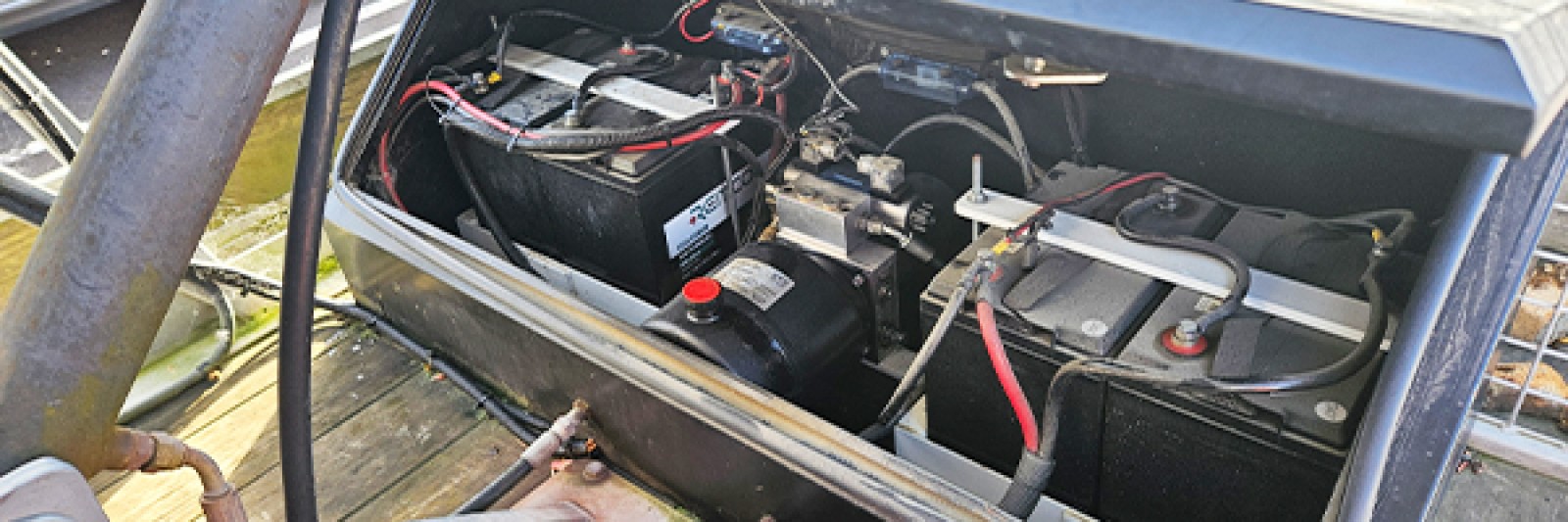
Recycling Pathway for Old Lead-Acid Batteries
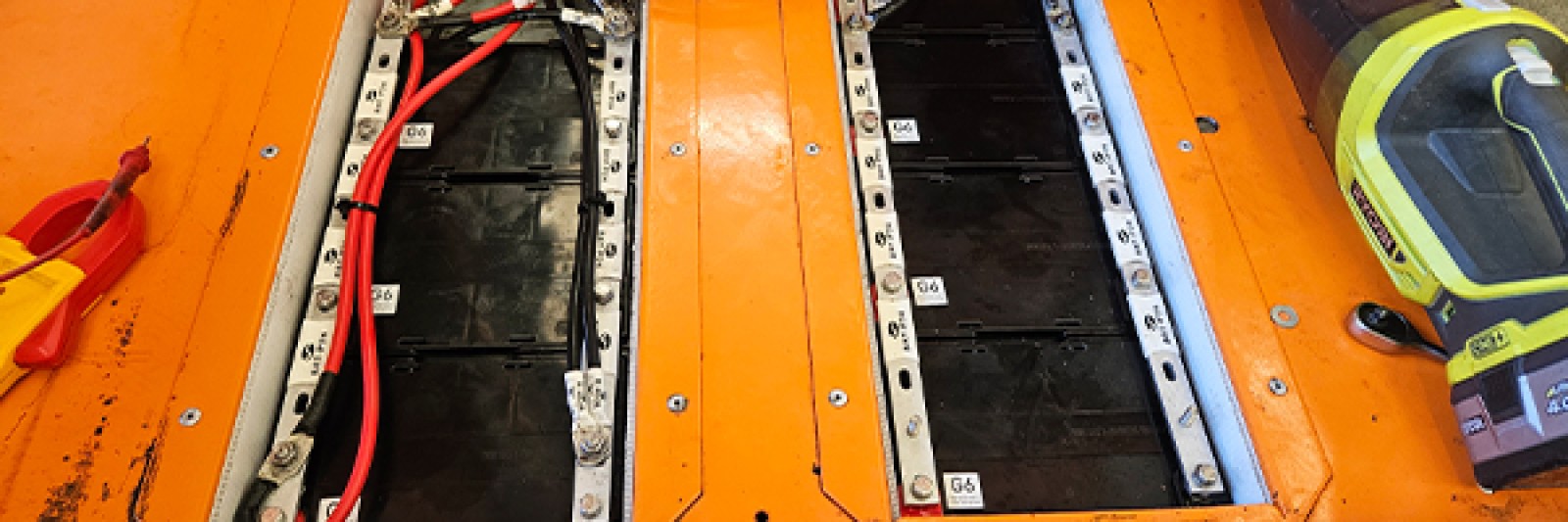
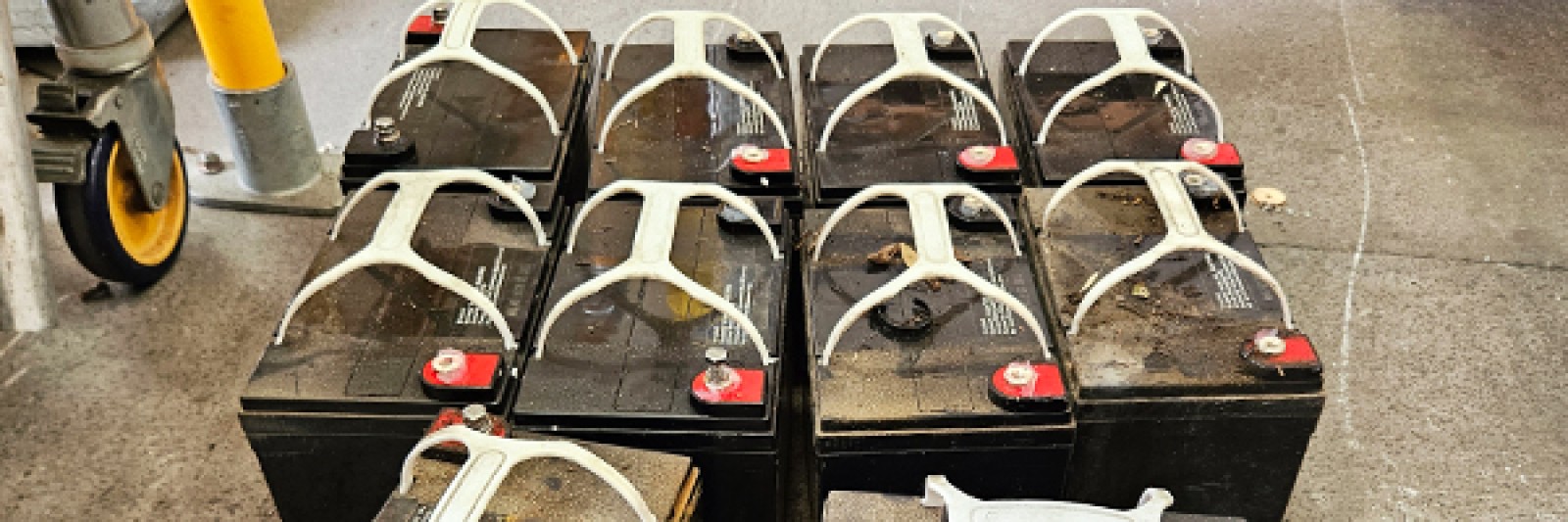
The partnership with Hayes Metals also provides a recycling pathway for used lead-acid batteries from the electronic traffic management equipment we service. Our Service Department regularly replaces batteries in customer equipment, including Ver-Mac VMS trailers, AWVMS and other electronic traffic management products. Through Hayes Metals, the used batteries are sent to verified recycling partners in Japan and Korea, giving RTL greater visibility over where they go and how they are managed at the end of their useful life.
Putting the Emissions Savings into Context
* The 9,912 kg CO2e reported by Hayes represents the wider emissions benefit of recycling these materials rather than producing the equivalent material from virgin resources. These avoided emissions are not reductions in RTL’s own carbon footprint.
Our sustainability consultants at Go Well Consulting helped put that figure into context: 9,912 kg CO2e is approximately equivalent to the annual emissions of five average petrol cars travelling on New Zealand roads. The comparison is based on an average annual distance travelled of 10,623 km per vehicle, using New Zealand vehicle fleet statistics analysed by MoneyHub and the Ministry for the Environment emissions factor for a medium petrol vehicle.